


10 Event Planning Tips for First-Time Hosts (From People Who Host for a Living)
How to plan your first event like a pro: choosing a venue, building a vendor team, QR ticketing and check-in, day-of timelines, and turning one event into the next three.
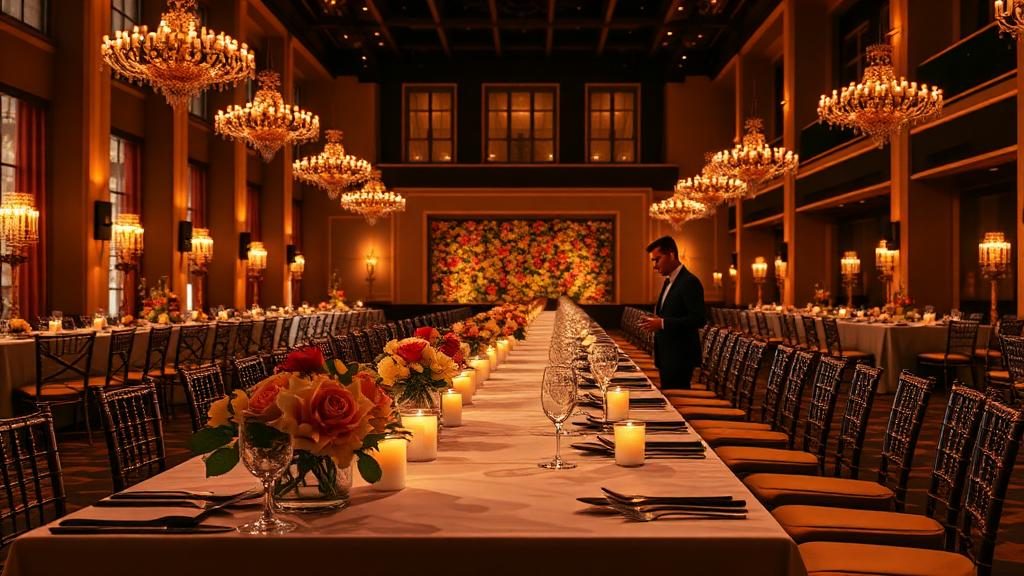
Whether you're organizing a networking mixer, a product launch, a birthday celebration, or a community workshop, your first event is your audition. It's the experience that determines whether people come back, refer you, and trust you with bigger opportunities.
Here are ten strategies drawn from hosts who do this for a living.
1. Start with why, not what
Before choosing a venue, theme, or date, answer one question: what should guests feel when they leave? Inspired points you toward a keynote or showcase. Connected points you toward structured networking. Entertained points you toward performance. The "why" drives every decision after it.
2. Choose your venue on energy, not size
A room that's 80% full feels electric. A room that's 40% full feels like a failure — even with the same number of people inside. Book slightly smaller than you think you need.
3. Build your vendor team on proof, not price
This is where first-time hosts make the expensive mistakes: hiring on price alone with no way to verify quality. Look for professionals with a verifiable track record — real reviews from real bookings. (This is exactly what a OneScore shows you at a glance, and how hiring works on OneJob.) Book vendors four to six weeks out; the best ones go early.
4. Write a day-of timeline — and share it
Build a minute-by-minute schedule: vendor load-in three hours out, sound and lighting checks at one hour, staff briefing at thirty minutes, doors, welcome remarks, wind-down, breakdown. Then share it with every vendor and volunteer. An event with a timeline feels calm; an event without one feels improvised, because it is.
5. Make ticketing and check-in frictionless
Nothing kills event energy like a twenty-minute line at the door. Use QR-code ticketing so every registrant checks in with one scan — that's how OneEvent handles tickets and the door, and it's live in minutes.
6. Capture content — it's your marketing for next time
Assign someone (or hire a professional) specifically for photos and video. That content becomes the promotion for your next event, your hosting portfolio, and your social proof.
7. Follow up within 24 hours
Send a thank-you to every attendee while the night is still fresh: a highlight, a few photos, a two-question survey, and a save-the-date for the next one.
8. Ask for reviews immediately
The best moment to ask is when the experience is at its peak. Reviews compound: they sell the next event and build your credibility as a host. (Our five-star reviews guide covers exactly how to ask.)
9. Budget for the invisible 15%
Something will go over: an extra hour of staffing, last-minute printing, a forgotten adapter. Hold back a contingency so surprises are annoyances instead of crises.
10. Treat every event as a series, not a one-off
The hosts who build real followings think in seasons: this event promotes the next, the guest list becomes a community, the reviews become the marketing. One good event is luck; three in a row is a reputation.
The short version
Decide the feeling, book the smaller room, hire on proof, write the timeline, make the door effortless, capture everything, follow up fast — and sell tickets somewhere that handles the boring parts for you. Create your event on OneEvent →